Graduate Advancement, Training and Education (GATE)
The University of Tennessee-Oak Ridge Innovation Institute (UT-ORII) supports collaborative research between UT and Oak Ridge National Laboratory, via assistantships and fellowships awarded to graduate students enrolled in programs at UT Knoxville (UTK). UT-ORII anticipates funding 10-15 Science Alliance-supported fellowships as a result of this competition. GATE awardees receive a 12-month appointment, including a stipend, tuition waiver and health insurance.

Applying for GATE
The GATE fellowship program allows graduate students to focus on their thesis research and supports Graduate Research Assistant (GRA) appointments. GRA/Graduate Teaching Assistant (GTA)-split positions, or supplements to full GTA positions, are not permitted. Any changes in appointment post award will result in forfeiture of the GATE fellowship.
A GATE fellowship supports a 12-month GRA appointment, including $37,000 stipend, tuition waiver, fees and health insurance. Initial awards will be for one year with the potential for renewal after submission, review of a progress report, verification of satisfactory progress and good academic standing. The ideal candidate will possess good communication and organizational skills, as well as be involved in meritorious research.
Applicants must have a record of performing “ORNL-affiliated” research, defined as research leveraging ongoing collaborations with ORNL research staff who have meaningful input into the applicant’s proposed dissertation research. Being an external user of one of ORNL’s Department of Energy user facilities (e.g., CNMS) is not sufficient to qualify as ORNL-affiliated research for the purposes of this program.
Applicants must also be in good standing with both the relevant academic department(s) and their Graduate School.
The GATE fellowship review committee will give preference to students who have successfully completed PhD candidacy requirements in their programs of study; although early career and MS students may also apply.
Applications for FY2026-27 have closed. Applications for FY2027-28 will open in November 2026.

The GATE program has funded over 47 graduate students representing over $2.5 million in student research investment since 2020.
Current GATE Awardees

FY2025-26 Awardees

Pradip Adhikari
UT Advisor: Joon Sue Lee
Pradip Adhikari is advancing research at the frontier of quantum technology by investigating topological superconductivity — a field that could pave the way for fault-tolerant quantum computing. As a 2026 GATE fellow, Adhikari is studying two approaches: engineering superconductor-semiconductor heterostructures and examining intrinsic materials such as iron tellurium selenide, or Fe(Te,Se). These systems may host exotic quantuem states essential to developing next-generation quantum devices.
Adhikari combines epitaxial materials growth, nanoscale device fabrication and cryogenic transport measurements to better understand these phenomena at the device level. In his current project, conducted in collaboration with Oak Ridge National Laboratory’s Center for Nanophase Materials Sciences user facility, he is fabricating and studying nanoscale devices—including Josephson junctions and Little-Parks devices—on Fe(Te,Se) crystals using helium ion microscopy.
He will conduct transport measurements to explore superconducting behavior and use nitrogen-vacancy microscopy to image local magnetic fields. This combined approach offers a detailed look at how superconductivity and magnetism coexist and interact at the nanoscale.
By building sophisticated devices and using advanced measurement techniques, Adhikari aims to unravel the complex relationship between superconductivity and magnetism. His research could lead to breakthroughs in quantum computing, a field with the potential to transform how we process information.

Lia Amelia
Materials Science and Engineering
UT Advisor: Peter K. Liaw and Yanfei Gao
ORNL Advisor: Ke An
Lia Amelia is studying the deformation behavior and mechanical properties of precipitation-strengthened high-entropy alloys. Using in-situ neutron diffraction, her research could reveal the possible roles of precipitates in the matrix during short-term and long-term deformation at elevated temperatures.
This area of research isn’t new to Amelia. She previously used Oak Ridge National Laboratory’s Vulcan Beamline to conduct in-situ mechanical testing with neutron diffraction on refractory high-entropy alloys. In 2025, she spent four months as an intern under the mentorship of ORNL Distinguished Scientist Ke An, studying the creep behavior of a newly designed alloy.
Amelia’s project builds on that work by conducting high-temperature tension and creep tests to study lattice strain, peak broadening and intensity evolution of the matrix and precipitates. Her goal is to develop a mathematical model to reveal the yielding sequence and quantify the work hardening of the grain orientation in alloy systems.
She continues her in-situ neutron diffraction testing with An at ORNL while collaborating with UT professors Yanfei Gao and Peter Liaw on ex-situ mechanical testing and material characterization.
This research could provide real-time insights into the strengthening mechanisms of precipitate-strengthened systems, paving the way for better alloy designs for high-temperature applications such as power plants, turbines and other advanced machinery.

Sam Gruber
UT Advisor: Steven Wise
ORNL Advisor: Vitaliy Starchenko
Sam Gruber is using numerical analysis and partial differential equations (PDEs) to study strontium cobaltite and explore more efficient computing architectures. Gruber’s current project uses computational modeling to examine the phase dynamics of complex oxide materials. Gruber is specifically investigating strontium cobaltite and its tunability as a memristive material for neuromorphic computing.
The work relies on PDEs and Oak Ridge National Laboratory’s high-performance computers for computational solutions. He is collaborating with Vitaliy Starchenko from ORNL’s Geochemistry and Interfacial Science group and Panchapakesan Ganesh from ORNL’s Center for Nanophase Materials Sciences.
Gruber aims to develop a computational model that aligns with experimental data from Argonne National Laboratory, providing predictive insight into material behavior and guiding future device design. This research could help create more energy-efficient computing for devices such as phones and laptops.

Anik Muhury
Electrical Engineering and Computer Science
UT Advisor: Rachael Bevill Burns
ORNL Advisor: Joshua Vaughan
Anik Muhury is exploring multimodal sensing—primarily tactile and visual—as a robust alternative for nonverbal communication, enabling more intuitive interaction between humans and robotic assistants. This research could improve communication in human-robot teams where speech-based interactions are impractical, such as on manufacturing or construction sites, or during emergency search and rescue missions.
Muhury’s work aligns with ongoing projects at Oak Ridge National Laboratory’s Manufacturing Demonstration Facility that focus on robotics for inspection, maintenance and construction. Working with Joshua Vaughan of ORNL’s Manufacturing Robotics and Controls Group, he is developing advanced robotic technologies for real-world industrial applications using tactile and visual communication methods.
The research addresses gaps in current human-robot interaction by exploring multimodal communication methods critical for effective collaboration in challenging environments. It advances haptic sensing, emphasizes social interactions between humans and robots, and develops frameworks for sensemaking that could enhance the practical application of human-AI teams across multiple sectors.
Muhury hopes to establish multimodal communication paradigms that enable seamless, intuitive and resilient interactions between humans and robotic AI partners, improving collaborative outcomes in complex manufacturing settings.

Jason Olavesen
UT Advisor: Steve Wilhelm
ORNL Advisor: Dave Weston
Jason Olavesen is studying how different nitrogen sources—particularly urea, a common agricultural fertilizer—affect the growth and physiology of harmful cyanobacteria, with potential implications for public health.
Olavesen is investigating urea metabolism to uncover the mechanisms that drive the ecological dominance of Raphidiopsis raciborskii, an understudied species, and other harmful algal bloom-forming cyanobacteria. He is also exploring a potentially novel cellular energetics process. This work is in collaboration with Dave Weston, a staff scientist at Oak Ridge National Laboratory, using the LI-COR trace gas analyzer in Weston’s lab to study carbon and energy acquisition in these organisms.
Identifying the factors that give R. raciborskii a competitive advantage is a critical step toward addressing the growing global problem of harmful algal blooms. Understanding these dynamics is essential for managing blooms that can contaminate drinking water, produce toxins harmful to human and animal health, and improve predictive models for early warning systems and targeted mitigation strategies.

Md. saif hassan onim
UT Advisor: Himanshu Thapliyal
ORNL Advisor: Travis Humble
Md. Saf Hassan Onim is applying quantum machine learning for early detection and intervention in neurodegenerative disorders – specifically Alzheimer’s disease and dementia.
Onim’s current project aims to develop quantum-classical hybrid models for Alzheimer’s disease and dementia detection that integrate real-world multimodal physiological data. His project involves creating robust quantum pipelines for Noisy Intermediate-Scale Quantum devices and a comparative analysis with actual quantum computers. As part of his quantum machine learning for healthcare research, Onim is collaborating with Travis Humble, director of Oak Ridge National Laboratory’s Quantum Science Center.
This research has the potential to significantly improve the quality of life for people with Alzheimer’s disease and dementia. With early detection being critical for effective intervention, traditional machine learning models often struggle with the complexity and noise of real-world biomedical data. Quantum computing can address this challenge by providing faster, more accurate analysis of high-dimensional data and can ultimately transform how these diseases are diagnosed and managed.
The long-term goal of Onim’s research is to develop scalable, quantum-enhanced diagnostic tools that can accurately detect early cognitive decline. He aspires to demonstrate that quantum machine learning can outperform classical methods in real-world biomedical applications.

Emily Proehl
Materials Science & Engineering
UT Advisor: Steven Zinkle
ORNL Advisor: Weicheng Zhong
Emily Proehl is researching how precipitates behave under reactor-relevant conditions and how Ferritic-martensitic (FM) steels can be designed for the next generation of nuclear reactors. Proehl is using electron microscopy to study how extreme environments—such as high temperature, radiation and stress—present in nuclear reactors affect FM at the microstructural level.
Her current research project is on precipitate stability in FM steels after exposure to reactor relevant conditions. In this work, two model ferritic alloys containing different MX (M=Ta, Ti, V; X=C, N) precipitate compositions, TaC and TaN, respectively, will be investigated after neutron irradiation in the High Flux Isotope Reactor at Oak Ridge National Laboratory. The MX precipitates will be investigated with advanced characterization techniques using transmission electron microscopy (TEM) and atom probe tomography (APT) to determine their relative stabilities and evolution in terms of size, number density, composition and sink strength.
Proehl primarily works in ORNL’s Low Activation Materials Development and Analysis (LAMDA) lab, where she investigates the microstructure of materials that have been irradiated in nuclear reactors using electron microscopy.
This research has the potential to significantly enhance the high-temperature mechanical properties and radiation resistance in FM steels.

Opeyemi Tade
UT Advisor: Shawn Campagna
Opeyemi Tade is focusing his research on the design and synthesis of novel glucocorticoid analogs. Glucocorticoids are widely used as a potent anti-inflammatory agent; however, their long-term use is often limited by serious side effects, particularly steroid-induced diabetes. To address this, Tade is working to develop simple one- and three-ring analogs that aim to retain therapeutic efficacy while minimizing adverse outcomes.
The glucocorticoid receptor (GR) remains poorly understood due to its ability to adopt multiple conformational states. Identifying ligand-receptor interactions that selectively favor anti-inflammatory pathways while reducing side effects remains a central challenge.
To tackle this, Tade’s project combines computational approaches with a collaboration with Dan Jacobson, whose team at Oak Ridge National Laboratory specializes in applying advanced statistical, machine learning and network-based methods to biological systems using high-performance computing. Together, they aim to uncover the structure-activity relationships that govern GR-mediated responses.
This research will contribute to a broader, ongoing scientific effort spanning nearly a decade to develop a library of glucocorticoid analogs that can help elucidate the complex signaling mechanisms of the GR.

Bipin Tiwari
UT Advisor: Omer San
ORNL Advisors: Marco Delchini and Furkan Oz
Bipin Tiwari is working on developing non-intrusive reduced order modeling (ROM) frameworks for high-fidelity multiphysics simulations to enable faster and more informed design decisions, supporting the practical development and deployment of fusion energy technologies.
Tiwari’s research puts an emphasis on magnetohydrodynamic (MHD) effects in electrically conductive coolant flows such as liquid metals and molten salts, which are used in fusion reactor blankets. He is collaborating with Marc-Olivier Delchini of Oak Ridge National Laboratory’s (ORNL) Reactor and Nuclear Systems Division and Furkan Oz of the Thermal Hydraulics Group—to conduct high-fidelity VERTEX-CFD simulations of magnetohydrodynamic effects in fusion reactor blankets and access ORNL’s high-performance computing resources.
The primary goal of this research is to show that high-dimensional and computationally intensive simulations of fusion reactor blankets can be effectively replaced by fast and reliable reduced order models without sacrificing accuracy. These models will facilitate rapid and reliable design optimization, allowing for timely decision-making and more effective integration of uncertainty into the design process for fusion energy systems.
Fusion reactors offer a promising long-term solution for carbon-free energy. However, the extreme conditions inside these systems, particularly the interaction between magnetic fields and electrically conductive coolants – such as liquid metals – create significant design challenges. While current simulation tools provide high accuracy, they are computationally intensive and limit the speed of design iterations.
Tiwari’s research addresses this issue by developing reduced order models that capture the essential physics at a significantly lower computational cost.

Xudong wang
Industrial and Systems Engineering
UT Advisor: Xueping Li
Xudong Wang aims to bridge the gap between complex mathematical optimization and practical logistics needs by enabling intuitive, real-time interaction between human users and AI-supported tools for freight transportation systems.
Wang is currently working on designing and implementing an AI-supported optimization framework for intermodal freight transportation. His project combines large-scale mathematical modeling and Large Language Models (LLMs) to build a real-time, adaptive decision support system for managing transportation networks under both predictable and uncertain conditions, such as congestion, equipment failures, or extreme weather.
Wang is building on a previous collaboration with Oak Ridge National Laboratory R&D staff, Yang Chen and Femi Omitaomu, in which they submitted two papers that are currently under review – Energy Transaction Optimization of Charging Station with Coupled Electricity-Hydrogen Generation and Agent-Based Simulation of Price-Demand Dynamics in Multi-Service Charging Station.
This research could help make freight transportation systems cleaner, smarter, and more reliable. With the use of AI and optimization tools, logistics companies can reduce delays, cut fuel use, and respond more quickly to disruptions like traffic or storms. This makes supply chains more environmentally friendly and better prepared for emergencies, benefiting both the economy and the environment.

Hahley White
Biochemistry, Cellular and Molecular Biology Department
ORNL Advisors: Alexis Williams and Liam Collins
UT Advisor: Gladys Alexandre
Hahley White is studying bacterial physiology at the molecular level to understand how bacteria navigate and adapt to stressful environments. Her current project is the study of bacterial flagellar structure and function using cryoelectron microscopy (Cryo-EM) and atomic force microscopy (AFM) technology. White hopes to uncover molecular mechanisms of bacterial stress adaption and locomotion.
For her research, she collaborates with Alexis Williams and Liam Collins at Oak Ridge National Laboratory’s Center for Nanophase Materials Sciences, using the lab’s the Krios G4 Cryo-EM machine and the Bruker JPK Nanowizard V atomic force microscope.
In her research, White utilizes the bacterial species Azospirillum brasilense, a well-established plant-growth-promoting bacterium that can colonize several important crop plants. Understanding how these bacterial species strategies to survive in the soil and rhizosphere is an important step in improving crop yields using sustainable bioinoculation.
FY 2024 – 2025 Awardees

Eugene Agymang
UT Advisor: Rajan Lamichhane
ORNL Advisors: Hugh O’Neill
Eugene Agymang is exploring the structural dynamics of the mu-opioid receptor using a water-soluble variant, specifically how it changes shape upon interaction with opioid drugs and other proteins.
He’s using Oak Ridge National Laboratory’s spallation neutron source for neutron-scattering studies to help understand the receptor’s structure and flexibility in the presence of various opioid drugs, offering valuable insights for molecular-level drug development.
The mu-opioid receptor is a crucial target for pain therapeutics and addiction treatment. Normally, it is challenging to study because it is difficult to produce in large quantities for detailed structural analysis. By using a water-soluble variant, we can overcome these challenges, making it much easier to understand how this receptor works and how drugs interact with it. This understanding could lead to the development of new, more effective, and safer pain medications with fewer side effects, and potentially better treatments for addiction.
Agymang aims to demonstrate the potential of using water-soluble membrane protein variants, such as the water-soluble mu-opioid receptor, for detailed structural characterization and efficient screening of potential drug candidates in an aqueous environment.

Charlotte Beckford
UT Advisor: Steven Wise
ORNL Advisors: Rajeev Kumar
Charlotte Beckford is researching partial differential equation modeling and comparing single-ion and dual-ion conductor polymer electrolyte batteries. She’s collaborating with Oak Ridge National Laboratory’s Center for Nanophase Materials Sciences.
With the ever pressing need to transition to a renewable energy-based society, the development of safe and reliable batteries is vital. Constructing efficient and accurate models to simulate these batteries can help determine the optimal material properties for their construction.
Beckford seeks to contribute to the battery modeling literature by proposing a non-isothermal, thermodynamically consistent battery model, one that does not currently exist.

Nicholas furth
UT/ ORNL Advisor: Thomas Zawodzinski
Nicholas Furth is developing a novel machine learning framework that reverses the conventional paradigm for molecular prediction. An approach that could dramatically accelerate the discovery of new medicines, materials, and energy storage compounds, saving time, resources, and costs.
Instead of predicting molecular properties from known structures, Furth’s project trains a model to generate potential molecular structures from a set of desired characteristics, such as melting point, surface area, and redox potential. This reverse-design model uses a variational autoencoder (VAE) with a graph neural network (GNN) to generate valid molecular graphs that match specified property targets, enabling accelerated discovery of novel compounds without requiring prior knowledge of specific molecular candidates.
This approach aligns with Oak Ridge National Laboratory’s mission to accelerate materials innovation for clean-energy technologies and national security: by coupling high-performance computing with data-driven molecular generation, the framework advances ORNL’s goal of shortening the discovery-to-deployment timeline for next-generation materials and energy-storage chemistries.
Furth aims to build a machine-learning system that can accurately design new molecules given a user-defined set of target properties and to evaluate how well the predicted molecules match both structurally and in terms of the desired characteristics, ensuring that the approach is both scientifically valid and practically useful for real-world applications in chemistry and materials science.

Erick Hoegberg
UT Advisor: Eric Lukosi
ORNL Advisors: Anton Khaplanov
Erick Hoegberg’s research focuses on improving the capabilities of neutron detectors to make the most use of neutron science centers such as SNS and HFIR. His focus is on improving novel detector types utilizing advanced integrated circuits. These could pave the way for the next generation of neutron science instruments at SNS, HFIR and the future STS, contributing to advancements in many scientific fields that rely on these facilities and their detectors to perform experiments.
Hoegberg is developing timepix-based detectors with very high performance for neutron beamline instruments. Oak Ridge National Laboratory and the University of Tennessee have been working for several years to develop neutron detectors for SNS and HFIR using this technology. Hoegberg’s project builds on that work to include optimizing data analysis methods to improve the performance of a timepix-based scintillation detector, and, in the coming year, fabrication and testing of a timepix-based semiconductor detector for neutron imaging.
Hoegberg’s goal within his project is the same as that of the neutron sciences detector group at large: to develop and improve detectors, thereby enhancing the capabilities of SNS and HFIR. Ideally, this project will result in the production of several prototype detectors which may serve as the design basis for an instrument upgrade at SNS or HFIR or for future instruments at STS.

Md Mazharul Islam
Nuclear Engineering Electrical Engineering and Computer Science
UT Advisor: Ahmedullah Aziz
ORNL Advisors: Kathleen Hamilton
Md Mazharul Islam is focused on designing advanced computer circuits, both conventional and futuristic, for memory, processing and brain-inspired computing. His work spans from room-temperature electronics to cryogenic devices used in cutting-edge technologies, such as neuromorphic and quantum computing.
He’s developing advanced hardware for next-generation computing systems, focusing on circuits that operate efficiently at extremely low temperatures. Islam designed an energy-efficient associative memory with built-in computing capabilities that could support quantum computing. This memory system holds promise for accelerating neuromorphic and quantum applications by performing operations directly within the memory.
In close collaboration with Kathleen Hamilton from Oak Ridge National Laboratory’s Quantum Computational Science Group, they developed scalable cryogenic memory and in-memory computing architectures that can support hybrid classical–quantum workflows. Their goal was to design hardware that could integrate efficiently with near-term quantum and neuromorphic processors, an area of active research at ORNL. The collaboration enabled them to align circuit-level innovation with real-world quantum applications, ultimately contributing to ORNL’s broader mission to advance hybrid computational systems for scalable, robust performance.
Today’s electronics are reaching their physical limits, and we need new ways to keep up with growing computing demands. Islam’s research explores devices that could power future technologies by being faster, more efficient, and capable of tasks that today’s computers struggle with—especially in artificial intelligence and quantum computing.

Christian Kocak
Material Science & Engineering
UT Advisor: Yanfei Gao
ORNL Advisors: Zhili Feng
Christian Kocak is researching Stress Relaxation Cracking in Creep and Corrosion Resistant Alloys to understand how parameters such as material selection, welding process, and service conditions affect the microstructure and residual stress of a weld and the surrounding metal.
Infrastructure for large-scale energy production is held together by welds. Many power plants convert heat into electrical energy, so some components must operate at elevated temperatures while in contact with various fluids. Additionally, construction of these plants is expensive and, therefore, designed to operate for decades. The weakest points of a structure are generally at the joints, so these are commonly monitored for damage. Unexpected failure of welds can be catastrophic, cause an energy supply shortage, and be difficult to repair.
Kocak is working with Oak Ridge National Laboratory’s Materials Joining Group, part of the Material Science and Technology Division, to conduct mechanical tests of austenitic stainless-steel welds. Additionally, he is conducting experiments to measure the residual stress of those same welds using ORNL’s High Flux Isotope Reactor on the High Intensity Diffractometer for Residual Stress Analysis.
His research’s ultimate goal is to characterize the resistance to damage.

Christian Kocak
UT Advisor: Fred Heberle
Deeksha Mehta is studying the structural and functional properties of plasma membranes, including preparing model plasma membranes and characterizing them through various microscopy and spectroscopy techniques.
While the fundamental structure of the plasma membrane has been understood for decades, recent evidence suggests that many key biological processes at the membrane rely on nanoscale organization of lipids and proteins-details that traditional models can’t fully explain. The primary aim of Mehta’s research is to investigate these fine structural features using advanced experimental techniques that can resolve membrane organization at the nanometer scale.
Mehta is using Oak Ridge National Laboratory’s Time-of-Flight Secondary Ion Mass Spectrometry instrument at the Center for Nanophase Materials Sciences (CNMS) to quantify the liquid-disordered and liquid-ordered phase compositions in model lipid membranes. She’s developed and optimized a workflow for preparing supported lipid bilayers on silicon substrates and is currently applying ToF-SIMS to visualize and quantify lipid distributions in ternary mixtures containing both ester- and ether-linked phosphatidylcholines. Because ether lipids alter dipole density at the phase boundary, she’s testing whether differences in dipole moment influence line tension and, consequently, domain behavior. This work leverages CNMS capabilities to investigate how molecular structure affects membrane phase properties and domain morphology.
Her goal is to understand how the nanoscale organization and asymmetry of lipids within the plasma membrane influence its overall function. By exploring how structural features such as lipid domains and leaflet asymmetry govern protein behavior and signaling, she hopes to uncover fundamental principles that link membrane structure to cellular processes.

Lorren Politano
Ecology & Evolutionary Biology
UT Advisor: Joe Bailey
ORNL Advisors: Larry York
Lorren Politano’s research focuses on understanding how climate change drives evolutionary changes in plant traits and how these evolutionary changes reverberate across multiple scales, from root and rhizosphere metabolites to above- and belowground architecture to the organism as a whole. She takes a systems biology approach to her research, gaining a holistic understanding of the impacts of climate change on the evolutionary process and, consequently, making more informed predictions of how plants may respond to climate change in the future.
Politano has been working on a project that utilizes “rhizoboxes”, which allow her to image roots as they grow in the soil. She’s using Oak Ridge National Laboratory’s Advance Plant Phenotyping Laboratory (APPL) to understand how climate change has driven evolutionary changes in plant physiological traits including water uptake at the roots, photosynthetic capacity in the leaves, and many others.
This research is essential to our understanding of how plants, especially foundation species, have responded to climate change in the past, which will inform our predictions of how these species may fare in future climate conditions. The decline of foundation species will have an outsized impact on the ecosystem as a whole due to the reliance that so many other species have on the health of the foundation species. By identifying the adaptive characteristics of the foundation species, we can inform conservation practices that promote the resilience and survival of these species, and therefore of the ecosystem as a whole, as climate conditions continue to rapidly change across the species’ range.

Colter Richardson
UT Advisor: Anthony Mezzacappa and Sherwood Richers
ORNL Advisors: Erik Endeve
Colter Richardson’s research revolves around Core-Collapse Supernovae (CCSNe), the energetic death throes of massive stars, more specifically, Neutrino Transport and Data Analysis and Post-Processing of our state-of-the-art simulations.
CCSNe are among the most energetic events in our Universe, as the massive star collapses in on itself, the matter reaches nuclear densities, making them also among the densest environments in our Universe. This combination of extreme energy and density are the perfect laboratory for physics we cannot test here on Earth. Specifically, these events are powerful enough to distort the fabric of spacetime around them, produce neutrinos – ghost particles – that only interact via the weak force, in enough quantity/energy to power the explosion of the star, and the direct or indirect production of the lion’s share of the elements needed for life on Earth, like oxygen and calcium. By investing time and research into modeling these events from first principles – i.e., from the ground up – we can better understand where we came from and better prepare our detection strategies for the next Galactic/near-Galactic event.
This research is conducted at Oak Ridge National Laboratory because they have the capability to produce some of the best core-collapse supernova simulations in the world. Richardson, along with a handful of ORNL scientists and researchers, continues to produce state-of-the-art models and remains a major contributor to the modeling, analysis, and detection of these events.
Richardson hopes to bridge first-principles modeling of CCSNe and the analysis of the gravitational-wave and neutrino emissions that will be produced in the next Galactic or near-extragalactic supernova, for both CCSN detection and parameter estimation – i.e., culling physical information about the source by comparing predictions with a detection.

Sargun Singh Rohewal
ORNL Advisor: Amit Naskar
Sargun Singh Rohewal is researching the structure-process-property optimization of reprocessable, multifunctional polymers and their composites for high-performance applications. These include multi-use adhesives, protective coatings and structural components for sectors such as automotive and wind energy.
Rohewal is working on the design of a novel class of sustainable polymer resin systems known as vitrimers. These systems are engineered for compatibility with rapid manufacturing techniques like injection molding, extrusion, and 3D printing, while also enabling recyclability and repairability. Using these advanced polymer matrices, we fabricate fiber-reinforced biocomposites that not only exhibit excellent mechanical and thermal properties but are also fully reprocessable and recyclable—preserving the structural integrity of both the fibers and the matrix throughout multiple use cycles.
To further understand the reprocessing behavior and define the thermal processing window for these smart, multifunctional composites, Rohewal is collaborating with researchers at Oak Ridge National Laboratory’s Center for Nanophase Material Sciences, Spallation Neutron Source and the University of Central Florida. Together, the team is developing and applying advanced non-invasive spectroscopic techniques, including low-field solid-state NMR, AFM-coupled nano-IR, and neutron scattering, to precisely characterize vitrification temperatures and interfacial dynamics within these systems.
Rohewal’s commitment to green and sustainable chemistry is driven by the need to create high-performance materials without compromising environmental responsibility. The central goal of his research is to design bio-derived polymers and composites that match or surpass the mechanical and thermal performance of conventional plastics, while enabling closed-loop recycling. To achieve this, he shifted toward bio-based resin systems and harnessed the unique chemistry of dynamic covalent bonds to develop materials that are not only strong and durable but also recyclable, reprocessable, and repairable. This work allows him to merge his passion for polymer science with a commitment to sustainability—addressing global material challenges while contributing to a more circular, resilient, and cleaner future.
Amy Kurr
Mikayla Mangrum
Jennifer Rayback
Jackson Turner
Kyler McKinley Weiss
FY2023-24 Awardees

Shamiul Alam
Electrical Engineering & Computer Science
Shamiul Alam’s primary area of research revolves around the development of device models and circuits aimed at enabling next-generation memory, logic, and logic-in-memory systems utilizing semiconducting, superconducting, and topological devices. The outcomes of his research carry significant implications for fields like artificial intelligence, high-performance computing, and quantum computing. Currently, Alam is focused on creating a universal memory system that can function both as a long-term storage and active memory. He is accomplishing this goal by utilizing a novel memory device known as UltraRAM. Alam intends to expand his research by designing a unique compute-in-memory system for this technology that will exploit the inherent properties of this device.
Fidaa Ali
Fidaa Ali’s research focuses on characterizing and solving the structure of different oligomeric forms of photosystem I (PSI) from thermophilic cyanobacteria in their native membrane environment. She is using non-detergent methods to extract and stabilize the protein complexes and employ a variety of biochemical and biophysical analyses as well as computational methods to characterize them and gain insight into the distribution of lipids around these complexes.
Charles Amoo
Charles Amoo is working on DOE’s Weatherization Assistance Program, aimed at reducing energy costs for low-income households by increasing the energy efficiency of their homes. Amoo is involved in improving existing energy audit software by developing features that are relevant for users, documenting the program for ease of use in the form of engineering manuals and getting started guides, and training energy auditors on the use of energy audit tools. Through his research, Amoo hopes to improve energy audit and energy audit software to one that is comprehensive, robust and user-friendly energy audit software, and make it well-suited to characterizing energy use in buildings, recommending cost-effective energy savings and retrofit measures, and train energy auditors to support the millions of non-weatherized, low-income households that need weatherization assistance.
John Hirtz
John Hirtz’s research investigates the structural changes of spinel oxides in extreme conditions. Hirtz’s focus is on creating sample environments at extreme pressure and high temperature with the ability to perform in situ characterization. These measurements are performed at multiple beam lines at Argonne National Laboratory and Oak Ridge National Laboratory. Hirtz has previously worked on the irradiation response of implanted Helium bubbles in metal matrices and other general high pressure work.
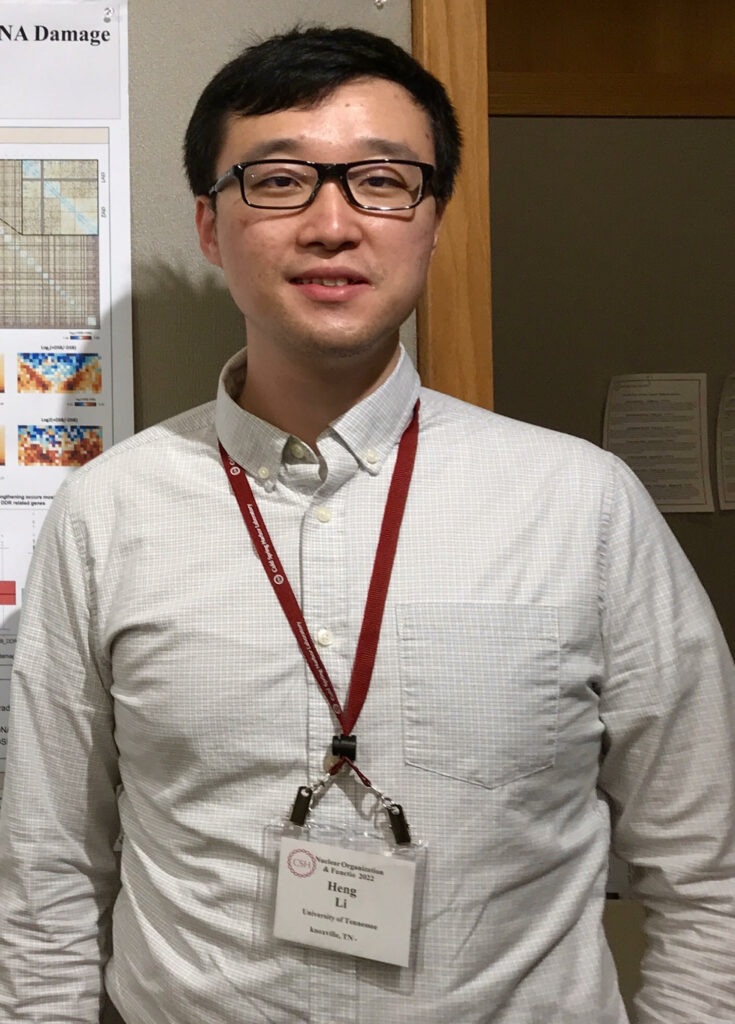
Heng Li
Biochemistry, Cellular and Molecular Biology
Heng Li studies how local chromosome domain structures are reinforced in response to X-ray irradiation. Li is interested in studying the impact of cellular sensitivity to subsequent rounds of radiation determined by the initial response and comparing the influence of different types of radiation, such as alpha particles on 3D chromosome structure. This work will improve our ability to understand and develop effective radiation combination therapies and enhance cancer susceptibility to radiotherapy.
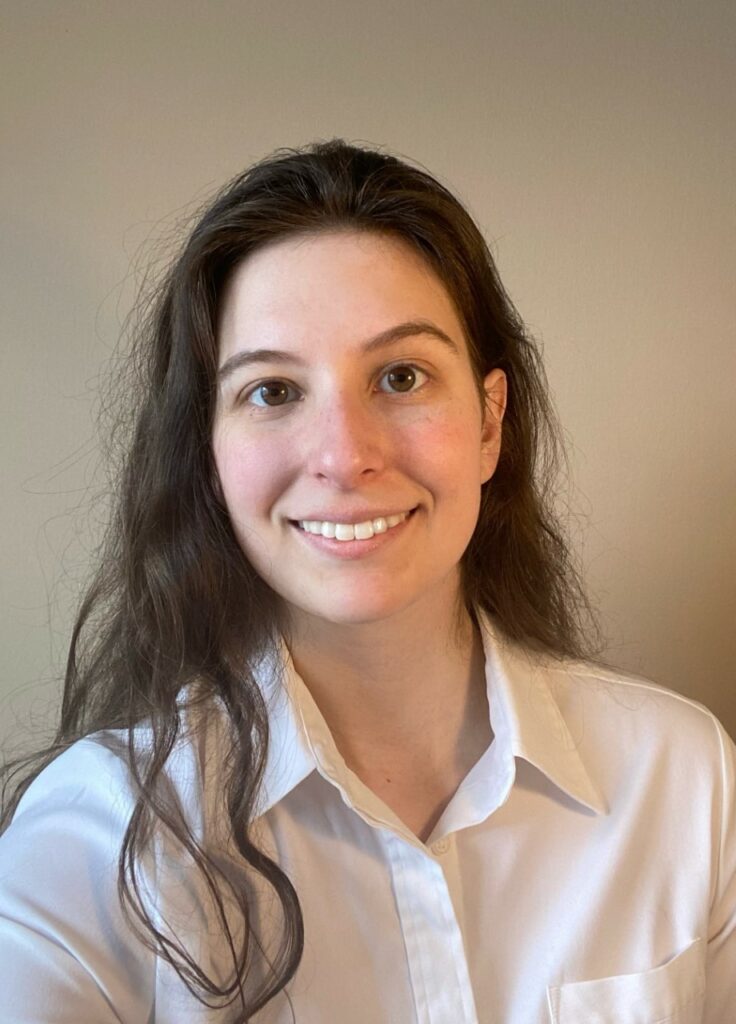
Mirka Mandich
Mirka Mandich researches experimental characterization of plasma flow using laser spectroscopy. Advanced spectroscopic diagnostics can be cost-prohibitive for small-scale, prototype fusion experiments. Mandich would like to design a mobile diagnostic platform capable of Thomson scattering and optical emission spectroscopy to deploy to different facilities. Mandich has employed other spectroscopy techniques such as absorption spectroscopy for aerospace plasma applications and schlieren imaging with electrothermal arcs, and looks forward to developing new techniques that make use of advancements in plasma physics, optical engineering, and machine learning.

Anjali Rathore
Anjali Rathore’s research focus is to confirm the existence and comprehend fundamental physics of topological protected bound states such as 1D edge states and 2D surface states. For this work she is going to synthesize topological materials by molecular beam epitaxy technique along with characterization of different topological phases and systematic analysis of unique fundamental properties of topological bound states. She wants to investigate the fundamental physics underlying topological elemental thin films and to further develop intriguing devices with potential applications in the field of electronics and quantum computation. As topology manifests itself in the emergence of edge or surface states protected by underlying symmetries, successful studies can make a significant contribution in the understanding of topological physics.
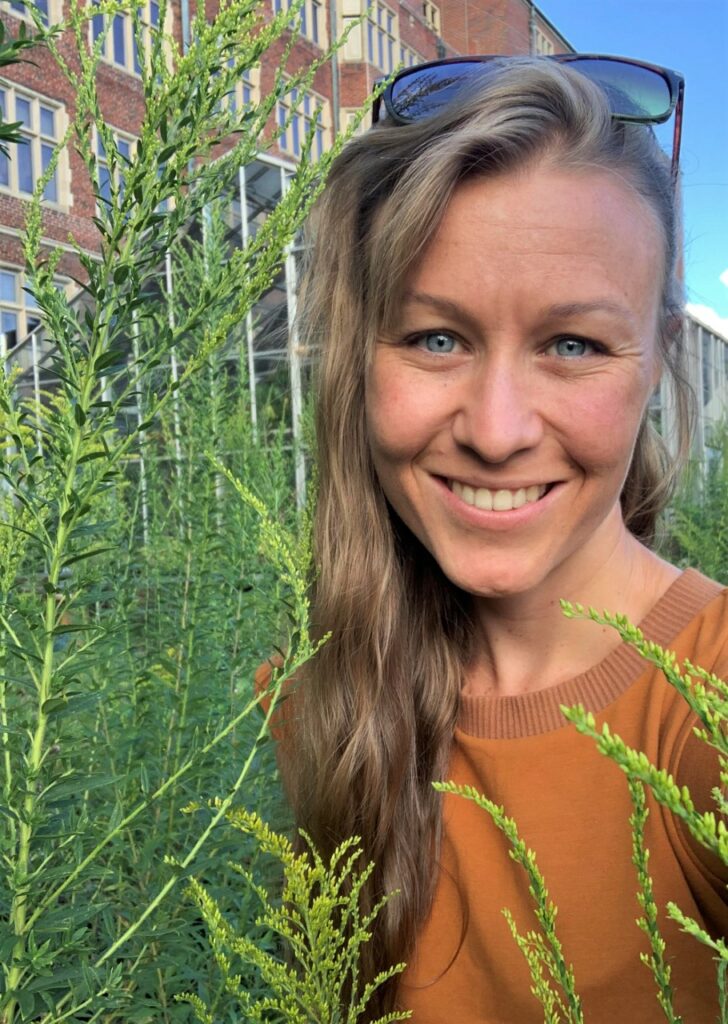
Sophia Turner
Ecology & Evolutionary Biology
Sophia Turner’s research focuses on understanding the role of changing biotic interactions for plant resource allocation. Using both field and experimental research, combining traditional ecological techniques with molecular methods, Turner seeks to test how host-specific species interactions change across the range of her study species, Solidago altissima (Tall Goldenrod). Multispecies interactions provide the support structure for the maintenance of ecological communities. Sophia’s work incorporates plant-insect-microbe interactions to gain a full picture that allows us to identify and predict how plant populations respond to changing multispecies interactions
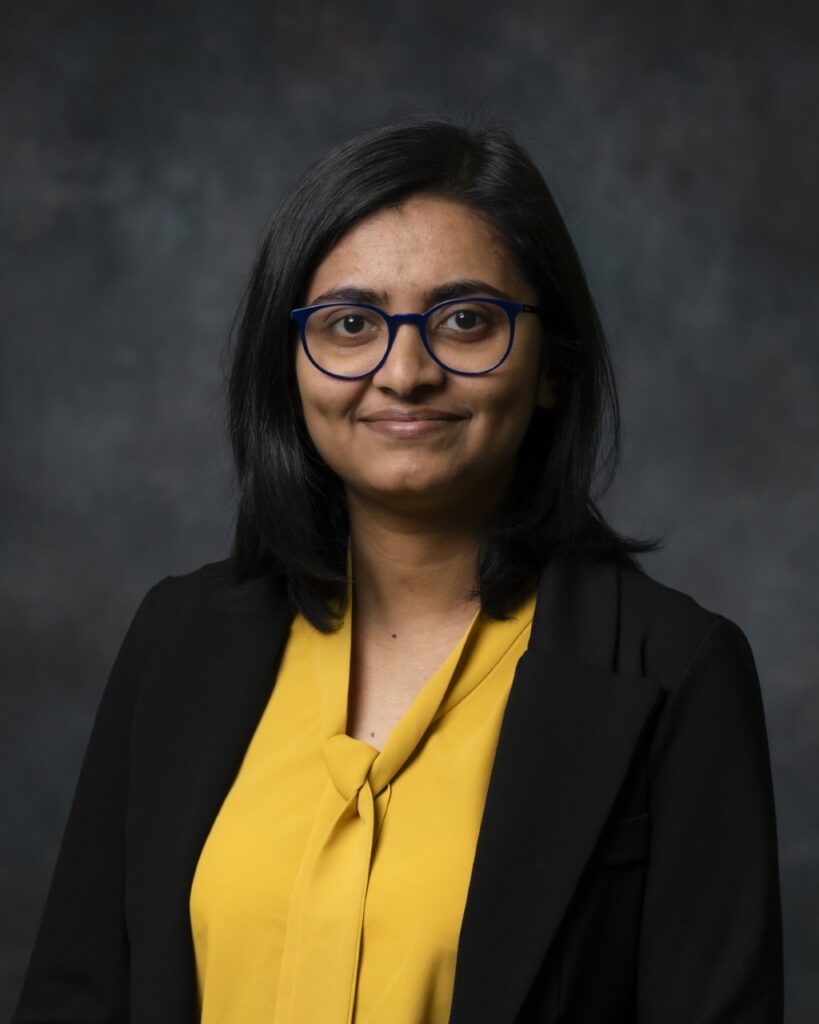
Sanjita Wasti
Sanjita Wasti works on the manufacturing and characterization of different types of composite materials. Her research focuses on the development and processing of natural and hybrid fiber-reinforced composites for automotive applications. Poor compatibility between the natural fiber and polymer matrix is one of the major bottlenecks that limited the wide range application of natural fiber composites. She is also working on different techniques to improve the interface between the natural fiber and polymer matrix.

Jackie Zheng
As a member of the Soft Matter Group at ORNL, Jackie’s research focuses on the development of organocatalysts for polymer deconstruction and the upcycling of these deconstructed polymers into stronger and more valuable materials. He is also working on the commercialization of plastic upcycling technologies to advance closed-loop circularity of plastic waste to renewed materials and divert them from landfills.
2022 Awardees

Shikha Bangar
1st & 2nd Year Funding
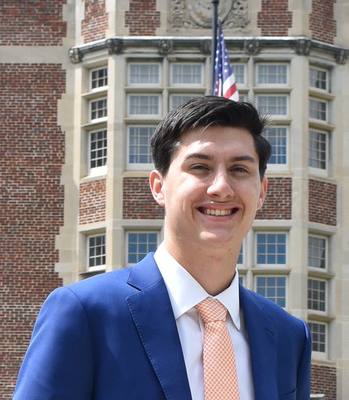
Shikha Bangar’s work focuses on Novel Algorithms for NISQ Devices; Bangar is developing quantum algorithms that can be implemented on current quantum technologies. Currently, she is designing a continuous-variable (CV) quantum neural network protocol that can be realized experimentally. This protocol uses only Gaussian gates, and nonlinearity is introduced through measurements on ancillary qumodes. Next, she will investigate the power of CV quantum neural networks and compare them with their classical counterparts.
Ian Cox
1st & 2nd Year Funding
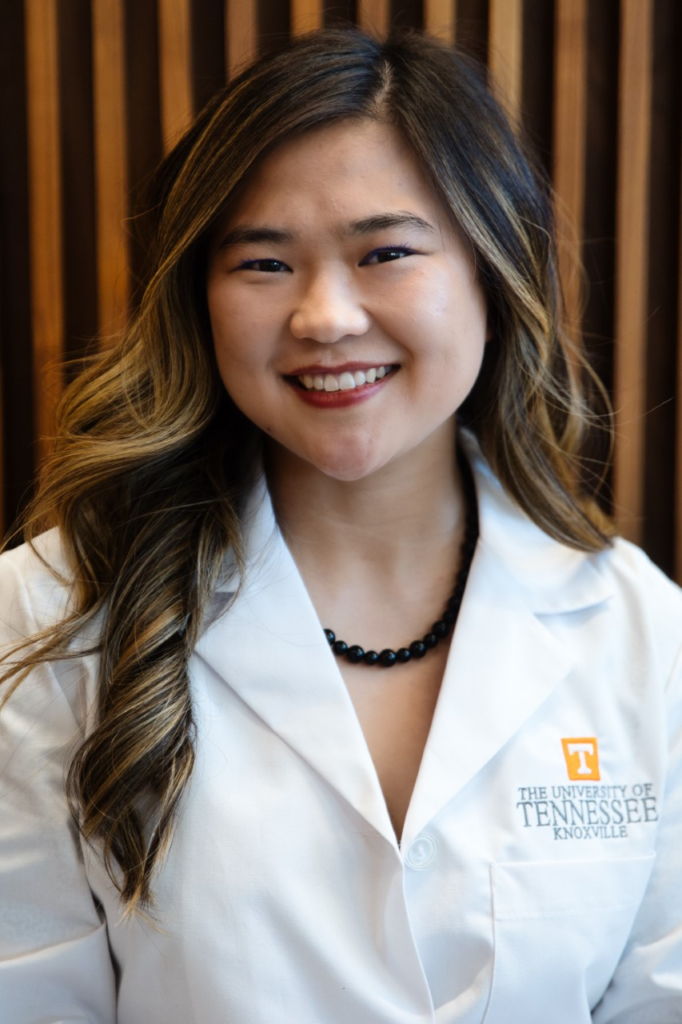
Ian Cox is collaborating with ORNL and other institutions to study the decays of exotic isotopes using the FRIB Decay Station Initiator (FDSi). FDSi allows for the combination of high-resolution gamma and neutron spectroscopy with total absorption gamma spectroscopy to measure excited states in nuclei. These results allow insight into interactions between protons and neutrons in the nucleus, thus helping to provide better models for astrophysical applications. Also, an upcoming experiment will attempt to measure the superallowed alpha decay of 104Te to provide needed insight into how protons and neutrons cluster together.
Presley Dowker
1st & 2nd Year Funding
Presley Dowker’s research focus is on identifying and characterizing novel pharmacological and diet-based approaches to treat and prevent obesity and its associated metabolic consequences. This is achieved through the use of both in vitro (cell culture) and in vivo (mice work) models which allows her to characterize the function and contribution of key metabolic proteins and enzymes related to the pathogenesis of obesity. Presley’s overarching goal is to identify novel strategies that will alleviate or treat metabolic diseases through the use of pharmacological, genetic, or nutritional approaches.
Kristen Kennison
1st & 2nd Year Funding
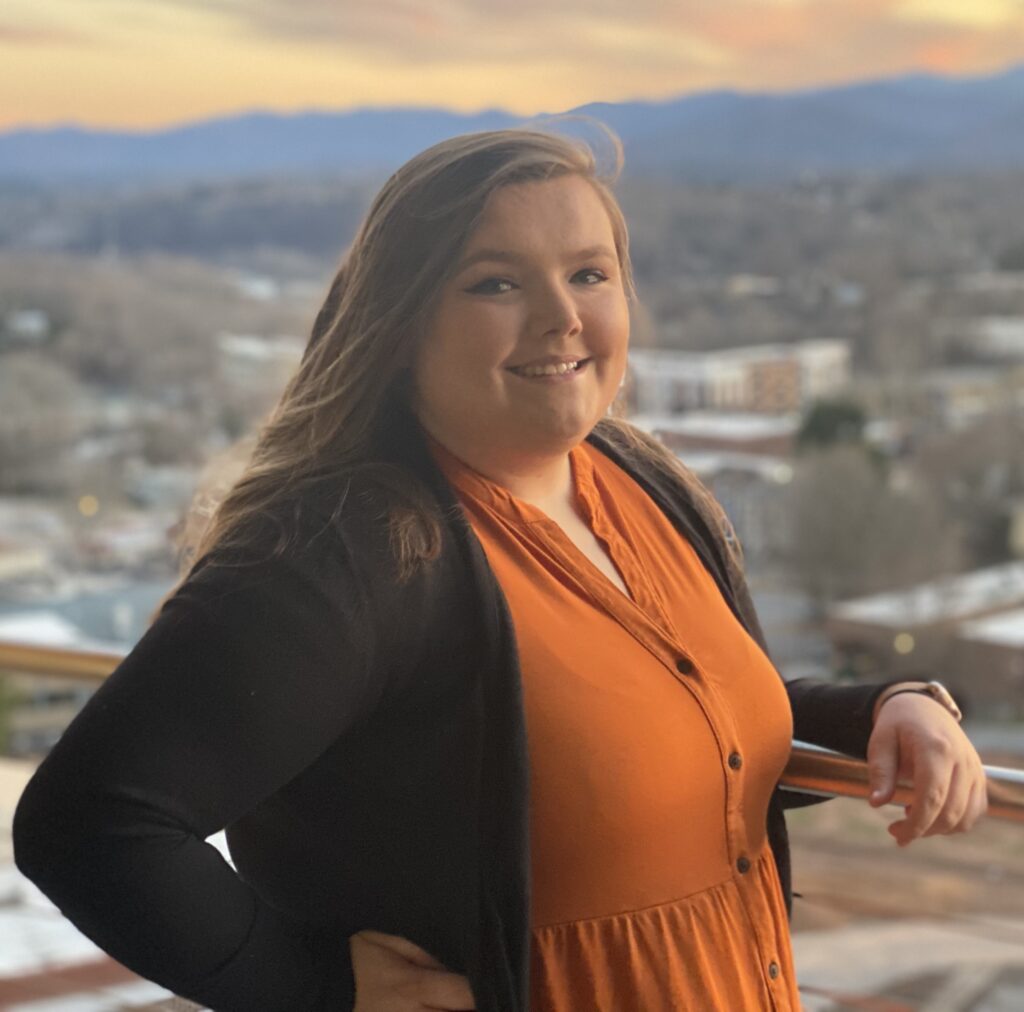
Kristen Kennison’s research focuses on exploring a poorly understood characteristic of the plasma membrane, transbilayer compositional asymmetry. Currently, she is primarily focusing on characterizing asymmetric bilayers that mimic eukaryotic plasma membranes to reveal information about interleaflet coupling. Kristen’s work involves producing symmetric and asymmetric giant unilamellar vesicles and large unilamellar vesicles utilizing methods such as calcium-induced hemifusion and methyl-beta-cyclodextrin exchange, respectively. She has utilized many different techniques to characterize these model membranes such as confocal fluorescence microscopy, Forster resonance energy transfer, cryogenic electron microscopy, and small-angle neutron scattering.
Paychuda Kritprajun
1st & 2nd Year Funding
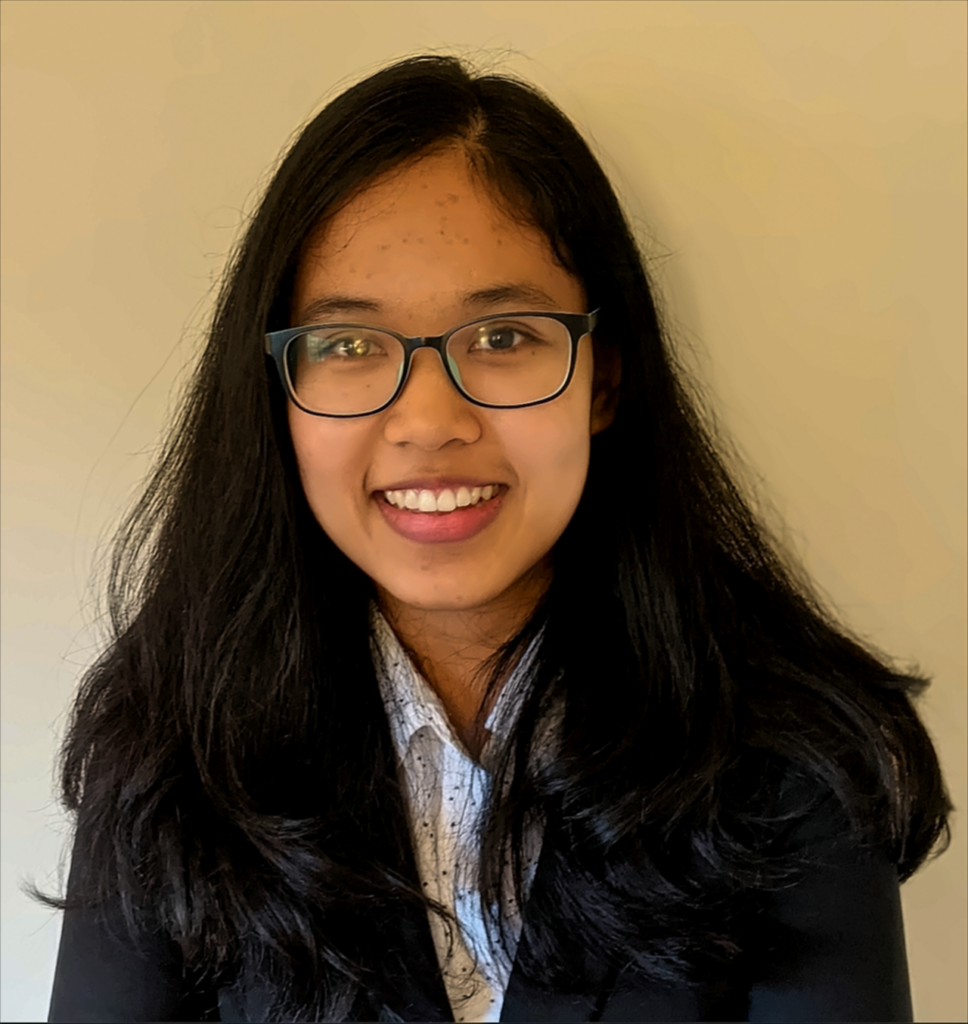
Paychuda Kritprajun’s research focuses on studying the impact of grid-connected photovoltaic with supercapacitor systems (PVSS) on power grids. To investigate its behavior under power system transient events, she developed a converter-based supercapacitor emulator with PV on a real-time reconfigurable hardware testbed (HTB) platform. Kritprajun’s research aims to develop the control of PVSS to ensure its availability to provide grid services under severe events while maintaining the safe operations of both PVSS and power grids and to help PV generation sources ride through major grid disturbances without disconnecting from the grid.

Diyi Liu
1st & 2nd Year Funding
Civil & Environmental Engineering
Diyi Liu’s research focuses on tackling engineering problems in the transportation field using emerging and the innovative methodologies and technologies including statistical machine learning, data science, numerical optimization, etc. Liu’s research is threefold: (1) to understand transportation and its pattern using statistical approach; (2) to enhance the “total benefits” of traffic through better control algorithms; (3) to make new theoretical and practical contributions about different methods through studying the hard transportation-related topics like intelligent carpool matching, truck volume identification, etc.
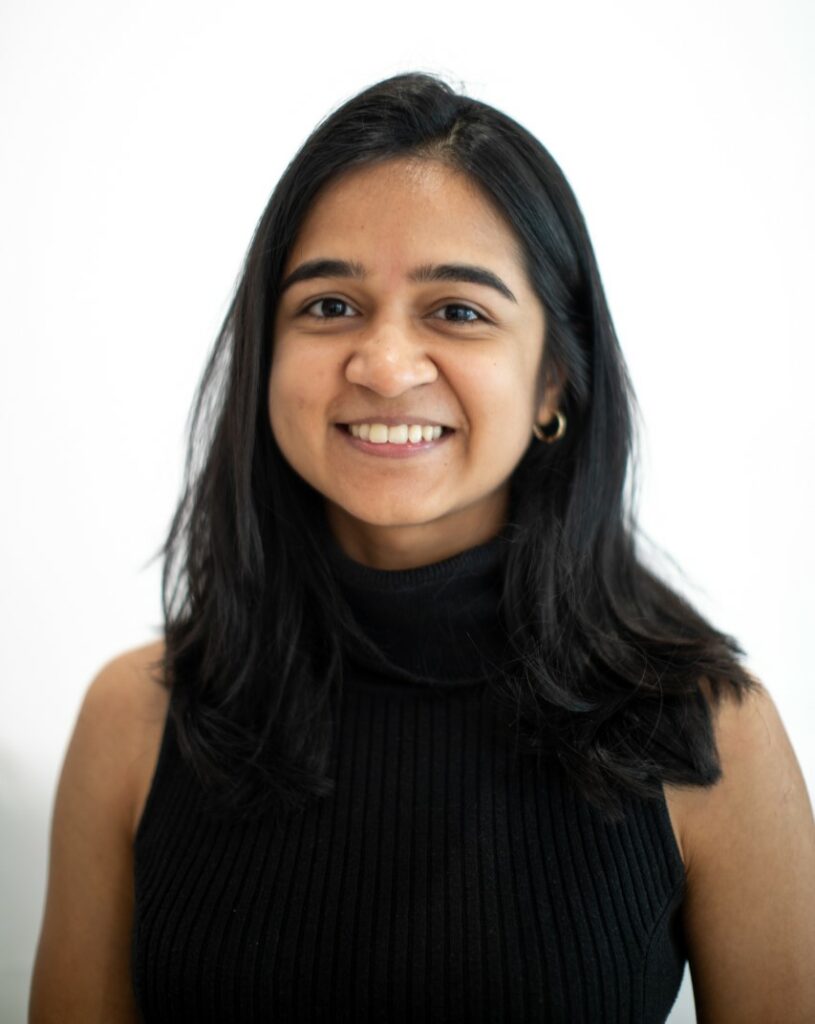
Sayali Mulay
1st & 2nd Year Funding
Sayali is working on Arctic subsurface samples collected from Svalbard, Norway to identify active microbial population during permafrost thaw. She is using a molecular based activity detection technique to identify and isolate active microbes from the thawed permafrost. Her research will help us understand the microbial communities that dominate the thawing Arctic subsurface and their processes.
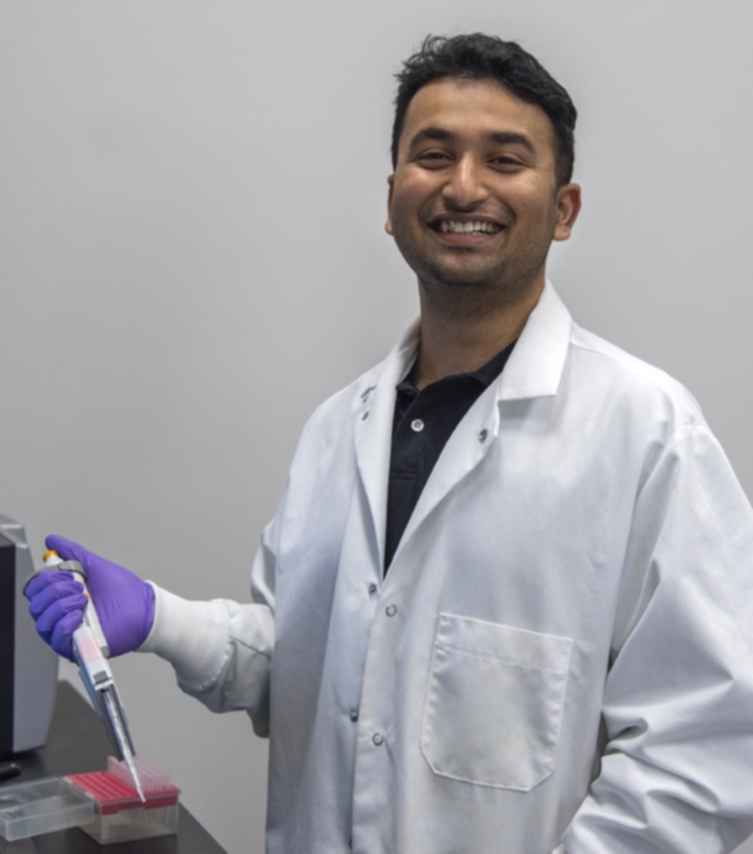
Rounak Patra
1st & 2nd Year Funding
Biosystems Engineering and Soil Science
Rounak Patra’s research focuses on C isotopes to understand subsoil carbon dynamics. Our current understanding of soil organic carbon (C) dynamics is mainly derived from topsoil studies. Theoretically, subsoil possesses ideal traits for long-term C storage, yet the mechanistic understanding of fulfilling such potential is largely unknown. In Patra’s dissertation research, they leverage stable C isotopes to study active microbial functional traits associated with C cycling to understand subsoil carbon dynamics under highly managed ecosystems.
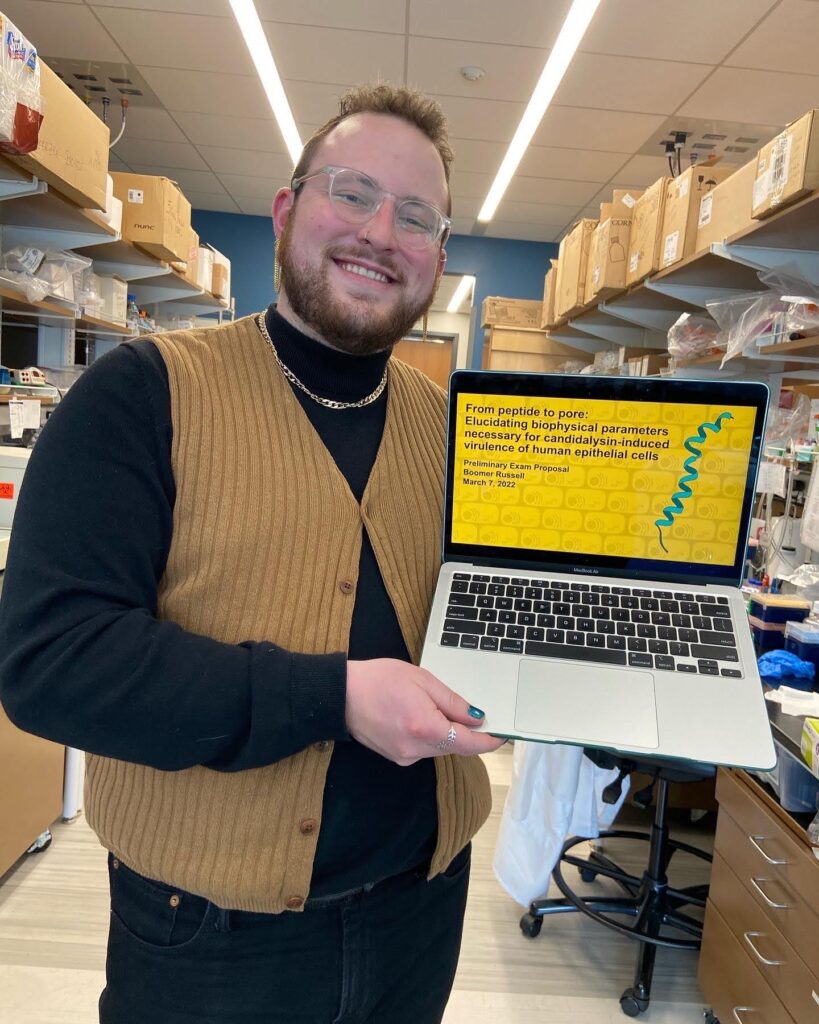
Charles Russell
1st & 2nd Year Funding
Biochemistry, Cellular and Molecular Biology
Charles Russell studies the pore formation mechanism of the virulent peptide, candidalysin, that is required for Candida albicans pathogenesis. Russell is interested in the physical influence that plasma membrane lipids have on protein structure and function. Understanding the mechanism of candidalysin self-assembly and pore formation will inform new avenues to treat C. albicans infection and can also be utilized in other biomedical applications.
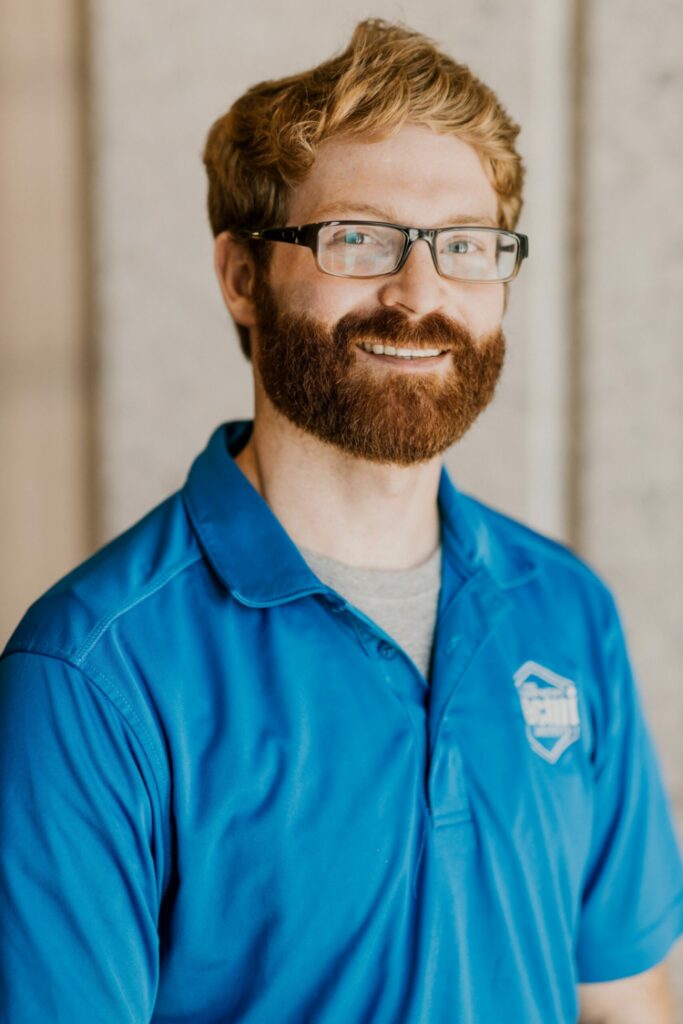
Ryan Spencer
1st & 2nd Year Funding
Mechanical, Aerospace, and Biomedical Engineering
Ryan Spencer works with nondestructive evaluation (NDE) tools that will be integrated into advanced manufacturing methods in order to provide high quality and defect free components. Spencer’s research focuses on large-scale additive manufacturing methods that are still prone to defect development during the fabrication process. By applying acoustic emission, a leading NDE technique, as structural health monitoring, Spencer will measure stress waves caused by initial failure points, such as cracking. This method will provide early detection of defects during the print process and allow the ability to take preventative action.
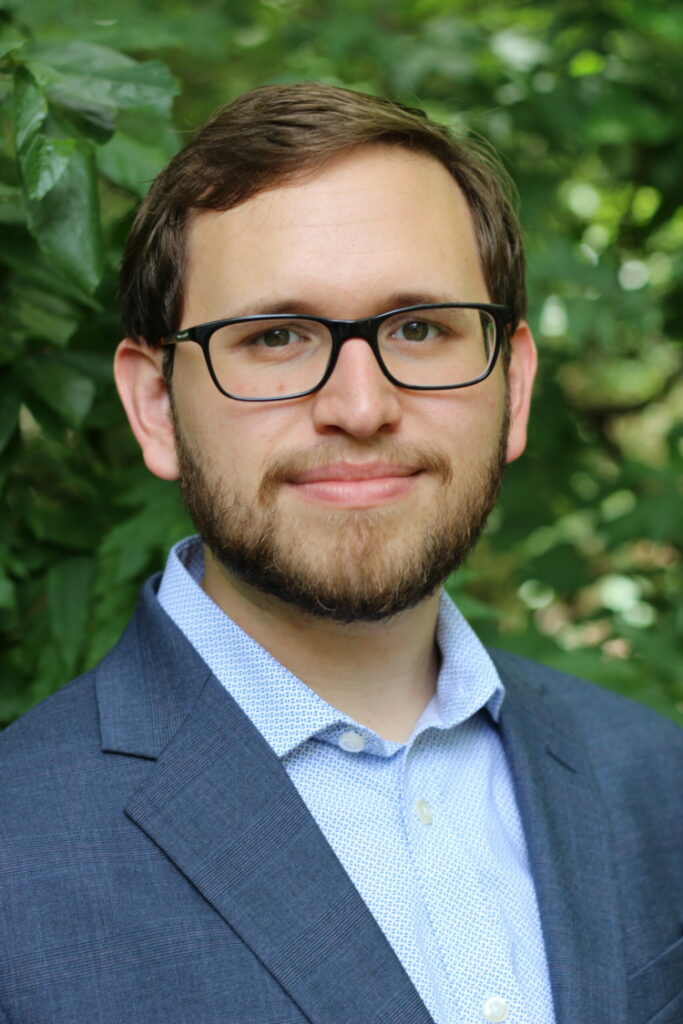
Jeremy Watts
Industrial and System Engineering
Jeremy Watts’ research combines data and decision sciences to optimize healthcare treatment plans for Parkinson’s disease patients. Parkinson’s disease is a chronic, progressive neurological disorder with no known cure. Jeremy’s work utilizes wearable sensors and patients’ demographics/genetics to dynamically adjust patients’ medications/therapies to reduce their symptoms.
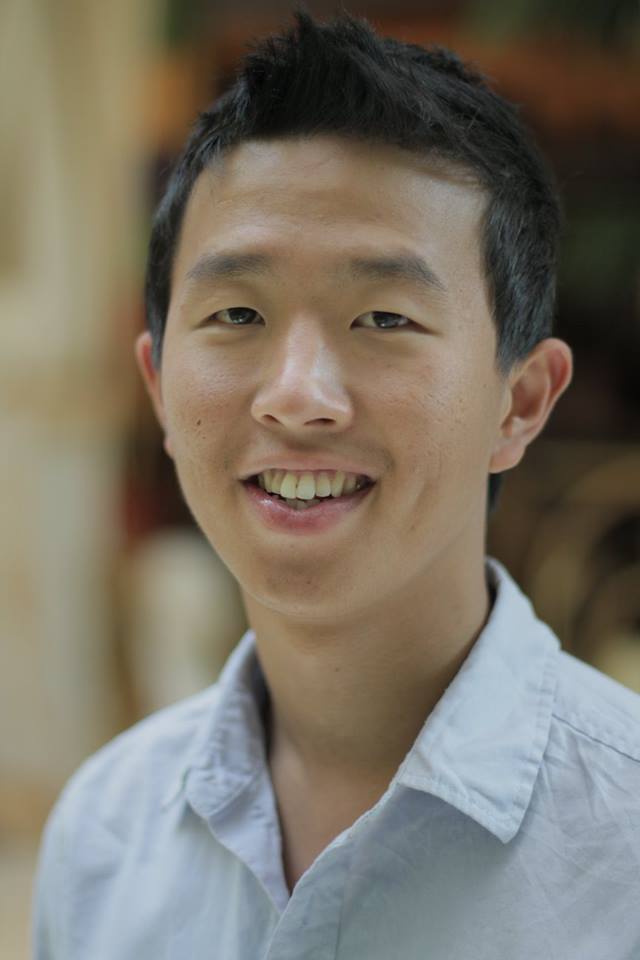
Hyun Seok Yoon
1st & 2nd Year Funding
Ecology and Evolutionary Biology
Hyun Yoon is interested in aquatic species conservation. Yoon is currently working on projecting how the range of freshwater fish and mussel species will shift in the future due to climate change and hydropower/thermoelectric plants operation. He is doing this using species distribution modeling to calculate the likelihood of occurrence of species using predictors such as temperature and flow of the streams simulated through the water balance model. Based on the projected change in species distribution, Yoon will conduct an economic risk calculation from potential fluctuation in the species monitoring and mitigation cost for the hydropower plant operations.
FY2020-21 Awardees

Kristen Butler
Department of Earth & Planetary Sciences
Kristen’s area of study is soil biogeochemistry; the study of the biological, geological, chemical, and physical characteristics that govern soil composition. Specifically, her research looks at the impact of manganese cycling on the carbon cycle and its greater impacts on global climate change.
Enzo Dinglasan
Dinglasan is expanding the sets of tools that can be used to engineer cell-free systems for maximizing protein and metabolite synthesis. The growth of the bioeconomy depends on the integration of biological approaches as green alternatives for commercial production. Bioproduction emerged to address sustainability concerns associated with chemical manufacturing methods that rely on petroleum. The advantage of speed that is offered by cell-free manufacturing will not only hasten our transition into a global bioeconomy, an increasingly urgent need as climate change worsens, it also provides opportunities to sustainably meet surging demands during global emergencies.
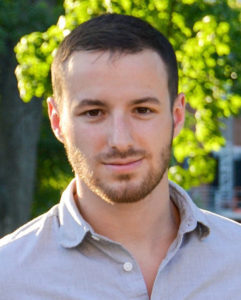
Devon Drey
Defect formation, defect mobility, and associated disorder profoundly affect the physical properties of many materials and influences material performance in both ambient and extreme environments. Devon Drey’s project uses the advanced materials characterization techniques to further our understanding of defect behavior and disordering over a range of length scales in several oxide materials.

Viswanathan Gurumoorthy
Department of Genome Science & Technology
Viswanathan’s research investigates intrinsically disordered proteins, or IDPs. IDPs have been shown to play a causative role in diseases such as cancer. He hopes to continue to address the knowledge gap in the study of proteins and their potential impact in a variety of systems.
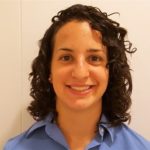
Samara Levine
Department of Nuclear Engineering
1st & 2nd Year Funding
Samara left an industry career as a nuclear engineer to pursue research. Her work, which seeks to investigate radiation damage in reactor structures, has led to collaborations with ORNL and Lawrence Berkeley National Laboratory researchers. Her continuing research may ensure safer conditions for the generation of clean energy by fission and fusion systems.

Sarah Love
Ecology & Evolutionary Biology
Using the natural laboratory comparison of sky islands and adjacent mountain chains, Sarah Love examines how climate change since the end of the Pleistocene has influenced adaptive demographic processes, plant-soil feedbacks, and plant phenotypes across the entire natural range of the dominant riparian tree, Populus angustifolia, narrowleaf cottonwood.
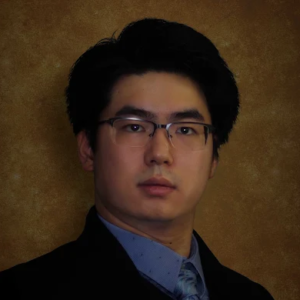
Zeyu Liu
Industrial & Systems Engineering
Zeyu Liu’s research focuses on mathematical optimization and operations research, especially under parametric uncertainties. His application area includes critical infrastructure, healthcare, transportation, and energy systems. Liu received his doctorate of Philosophy, Industrial Engineering from UT in 2022.
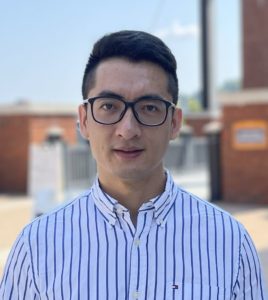
Hang Ma
Industrial & Systems Engineering
Hang Ma’s research focuses on statistical machine learning, mathematical optimization and scientific computing for modeling, control and optimization of complex dynamic systems ubiquitous in science and engineering. Ma’s current work is to develop interpretable machine learning methods to uncover the unknown physical laws in the complex systems, like machining dynamics for smart manufacturing and water electrolysis for green hydrogen production.
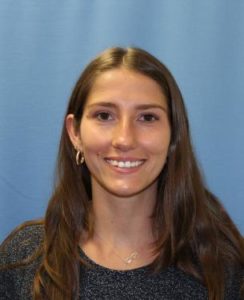
Maddison Melchionna
Biochemistry, Cellular, & Molecular
Maddison Melchionna’s research focuses on understanding the biochemical mechanisms by which bacteria sense
changes in their environments and respond to stress. Specifically, she has characterized the function of a widely conserved bacterial membrane protein, which allows cells to balance and maintain homeostasis of membrane energetics, including the transmembrane potentialand proton motive force.
Xin Wen
Department of Physics & Astronomy
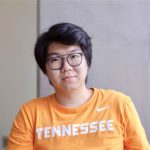
The study of turbulence has implications in an array of real-world scenarios, from transportation to medicine. Xin’s research seeks to effectively quantify and test turbulent flow through the use of liquid helium. He plans to engage in multiple collaboration on this work, including with ORNL, the Joint Institute for Computational Studies, and the National High Magnetic Field Laboratory.
Hao Zhang
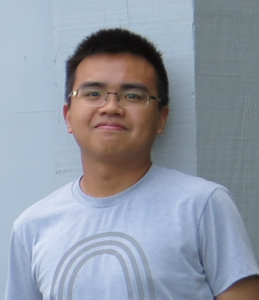
Hao Zhang researches theoretical condensed matter physics with an emphasis on quantum magnetism. In particular, Zhang’s interest is in the novel states of matter and the dynamical response in frustrated quantum materials. Zhang has developed some generalized notations in the field of quantum magnetism in their Ph.D. dissertation. These generalized notations provide powerful theoretical tools for modeling diffuse and inelastic neutron scattering experiments performed at the Neutron Scattering Division of ORNL.
FY2019-20 Awardees

Matthew Baucum
Department of Industrial & Systems Engineering
1st & 2nd Year Funding
Matthew’s research combines healthcare operations and data analytics, and will investigate techniques for more efficient weaning of medical patients from ventilators. Matthew’s earlier academic work in quantitative psychology laid a foundation for a nuanced approach to the fusion of theory-driven classical operations research and modern advances in data science that will serve to guide his continuing research to improve chronic and critical healthcare.
Liz Denison
1st & 2nd Year Funding
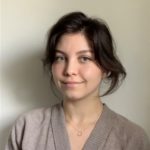
Liz’s work focuses on the microbial communities of peat bogs, specifically Sphagnum, and how microorganisms may influence larger ecosystem processes. Peatlands have been identified as one of the most valuable, and most vulnerable, ecosystems on the planet. She hopes her work will contribute to predictive models of how Sphagnum will be impacted by warming temperatures.

Rajesh Ghimire
Department of Physics & Astronomy
1st & 2nd Year Funding
Rajesh’s research focuses on instrumentation development, data acquisition, and analysis of large data sets to better understand nuclear reactions. An understanding of nuclear reactions can lead to developing an understanding of nucleosynthetic processes in deep cosmos. Rajesh hopes to use this work to expand his expertise in experimental nuclear physics.

Adrien Green
Department of Physics & Astronomy
1st & 2nd Year Funding
Adrien’s work centers on the development of secure quantum communications, or the introduction of the laws of quantum mechanics into encryption to develop more secure means of communication. He hopes his work will contribute to the innovation necessary to make such technology widely accessible to the greater public.

Mohammad Aminul Haque
Min H. Kao Department of Electrical Engineering & Computer Science
1st & 2nd Year Funding
Aminul has always been fascinated by technology and electrical engineering. Focusing on the area of nanotechnology, his work seeks to bridge the disciplines of physics and electrical engineering. He hopes his research on 3D printed polymer structures will lead to a career in industry-oriented research and nanoelectronics fabrication.
Michelle Lehmann
Bredesen Center for Interdisciplinary Research and Graduate Education
1st & 2nd Year Funding
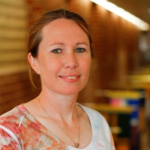
Michelle is a nontraditional student exploring ion-transport membranes for non-aqueous battery systems. After spending ten years working as a veterinary technician, she enrolled at the University of Tennessee to pursue an education in chemical engineering and is currently pursuing a degree in energy science and engineering. She hopes her research will yield significant impacts for battery technologies.
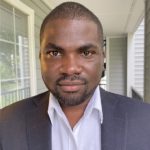
Francis Okejiri
1st & 2nd Year Funding
Francis’s research focuses on pollution from vehicle emissions, specifically carbon monoxide which is highly toxic to humans. Carbon monoxide has been linked to a number of respiratory illnesses and can be fatal to humans in relatively small doses. He hopes to develop crystalline materials that can transform carbon monoxide into the less toxic carbon dioxide.

Nick Oldham
Department of Entomology & Plant Pathology
1st & 2nd Year Funding
Nick’s work focuses on the effect of urban landscapes on wetlands and their associated pollinators. Specifically, his research investigates fly populations critical to the plant communities found in eastern Tennessee wetlands. As a self-described bug lover, Nick hopes his work will support UT-ORNL collaborations as well as educate broader audiences on the importance of pollinators.
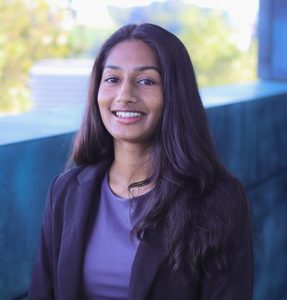
Sreya Paladugu
Department of Materials Science & Engineering
1st & 2nd Year Funding
Sreya is investigating metal oxide catalysts under acid gas exposure through neutron and x-ray scattering. She hopes her work will contribute to materials discovery and design for energy applications, and create an opportunity for collaborations with industry partners.

Nitesh Shah
Department of Civil & Environmental Engineering
1st & 2nd Year Funding
The critical nature of road access was made clear to Nitesh in the wake of a devastating 2015 earthquake in Nepal. His work in transportation planning has led him to focus on sustainability, user behavior, and safety of shared micromobility; a potential solution to urban transportation issues like congestion and pollution.
Tyler Steiner
Department of Nuclear Engineering
1st & 2nd Year Funding
A lifetime of natural curiosity brought Tyler to the field of nuclear engineering for space applications. Nuclear thermal propulsion has been chosen by NASA to send humans to Mars, but a testbed for simulating the specific conditions this mission will experience does not yet exist. Tyler’s research will contribute to the development of such a test bed in an ongoing UT-ORNL collaboration.
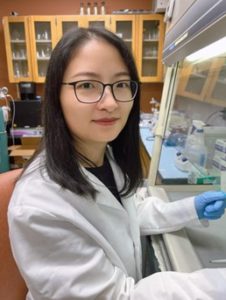
Huihui Sun
Department of Biosystems Engineering & Soil Science
1st & 2nd Year Funding
Huihui’s research focuses on soil environmental microbiology, specifically the role of viruses in soil. Viruses are known to play important roles in a given ecosystem, from carbon cycling to breaking down contaminants. Her work seeks to determine the effect of water in soil on the distribution of viral populations within that soil.

Matthew Whisenant
Department of Mechanical, Aerospace & Biomedical Engineering
As renewable energy technology continues to develop, existing infrastructures may provide stumbling blocks making it difficult to implement these technologies. Matthew’s research centers on hydropower, utilizing machine learning to develop more efficient turbines. He hopes his work will contribute to future increases in renewable energy use.
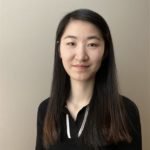
Yi Yang
Department of Materials Science & Engineering
1st & 2nd Year Funding
Stainless steel is a widely used material in pipes for oil refineries, power plants, and nuclear energy systems. Failed welds in these pipes can have dramatic consequences. Yi’s research investigates these welds and potential causes of their failures. She hopes to then generate a predictive model for industrial use in safety monitoring.